Keith Bell
Baccarat is a game where patterns attract attention. Many players dedicate significant time to analyzing shoe trends and road charts. Understanding how these tools work—and their actual limitations—puts you in a far stronger position. For players active on sexycasino, this knowledge translates directly into smarter, more composed gameplay.
What Is a Baccarat Shoe and Why Does It Matter?
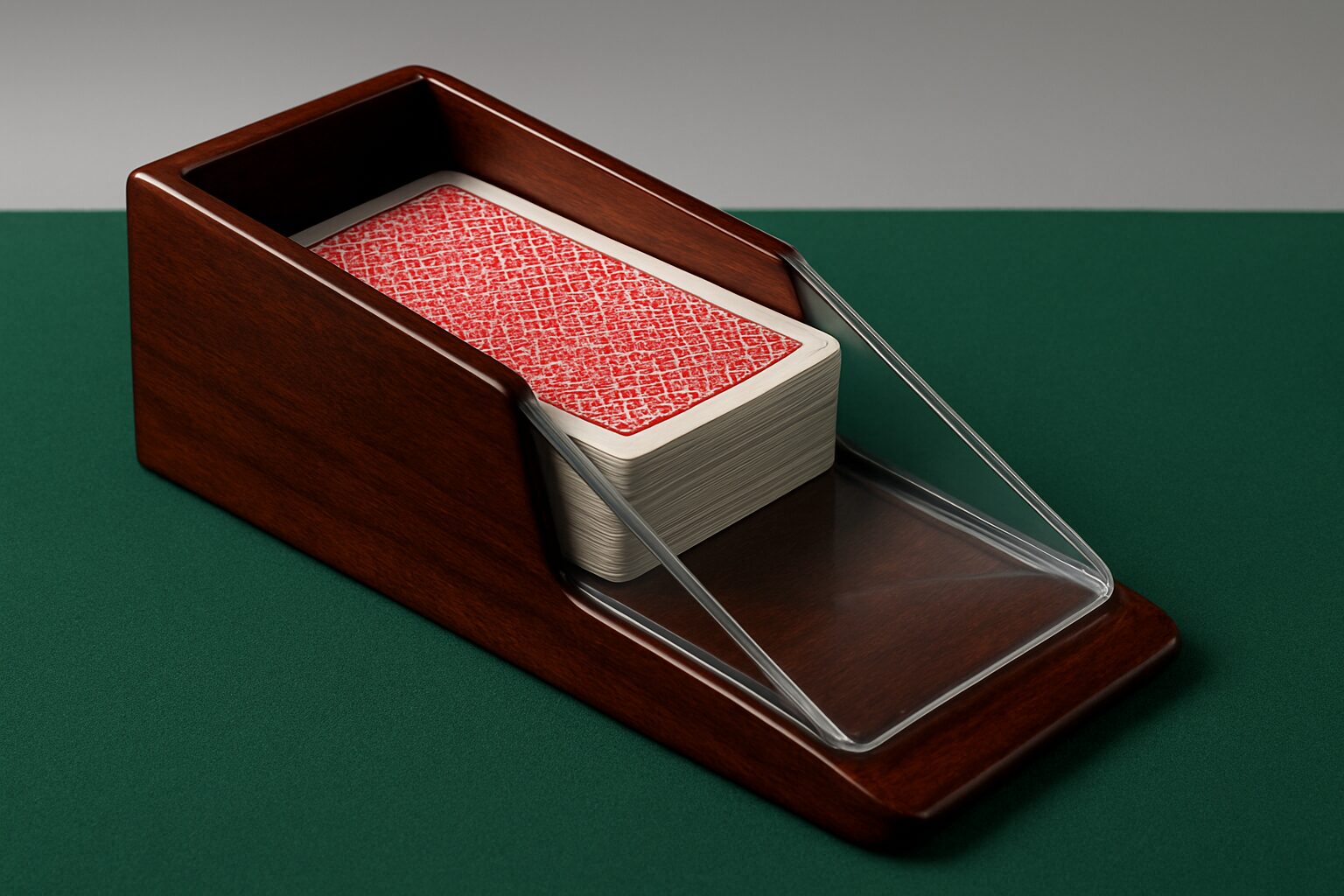
A standard baccarat shoe contains six to eight decks of cards. All hands within a single session are dealt from this shoe. Once the shoe is complete, the cards are reshuffled and a new shoe begins.
Each shoe produces its own sequence of Banker and Player outcomes—and this is where pattern analysis begins.
What Are Baccarat Road Charts?
Road charts are visual tracking tools used to record results within a shoe. The four most common are:
Big Road: The primary grid tracking Banker and Player outcomes
Big Eye Boy: Tracks repetition and irregularity in patterns
Small Road: A condensed version focusing on two columns back
Cockroach Road: Tracks patterns from three columns back
These charts are widely available on live baccarat platforms and give players a quick visual reference for current shoe behavior.
Can Baccarat Patterns Actually Predict Outcomes?
Statistically, no. Each hand in baccarat is an independent event. The cards carry no memory of previous results. However, within a single shoe, probability clusters do emerge—and many experienced players use these clusters to inform their bet selection on a short-term basis.
The key is treating pattern tracking as a guide, not a guarantee.
What Does “Following the Shoe” Mean?
Following the shoe means betting with the side that has been winning most recently. If the Banker has won five consecutive hands, a trend follower would continue betting on Banker until the pattern breaks.
Statistical context: Banker streaks of five or more occur in a meaningful percentage of shoes. Following the shoe is a reactive strategy—not a predictive one.
When Should You Switch Your Bet?
Some players switch after one loss. Others wait for two consecutive losses before changing sides. A common rule:
Switch after two consecutive losses on your current bet
Return to your original side if it wins again within two hands
Consistency in your switching rule matters more than the rule itself.
How Does Shoe Composition Affect Baccarat Odds?
As cards are removed from the shoe, the composition shifts slightly. Unlike blackjack, where specific card removals create meaningful edges, baccarat’s mathematical structure makes shoe composition tracking far less impactful. The edge fluctuates by fractions of a percent—not enough to build a reliable system around.
What Is the Best Way to Use Road Charts Practically?
Use Big Road to identify current momentum
Note whether the shoe is “choppy” (alternating results) or “streaky” (consecutive wins on one side)
Adjust your strategy based on the shoe’s current character—not on expectation of future patterns
How Many Baccarat Players Use Pattern Tracking?
Pattern tracking is especially prevalent among Asian baccarat players, where it is deeply embedded in gambling culture. Studies from major gaming research institutions have noted that a significant majority of high-volume baccarat players reference road charts as part of their decision-making process.
What Is the “Chop” Pattern in Baccarat?
A chop pattern occurs when results alternate consistently between Banker and Player. During a chop shoe:
Bet on the opposite side of the previous result
Expect small, frequent wins
Avoid large bets, as choppy shoes can shift to streaky behavior without warning
Making the Most of Pattern Awareness
Baccarat trend analysis enhances engagement and provides a framework for decision-making. Used alongside sound bankroll management, it adds structure to your session. Just remember—every shoe is unique, and no chart predicts the future. Play with awareness, not certainty.