Keith Bell
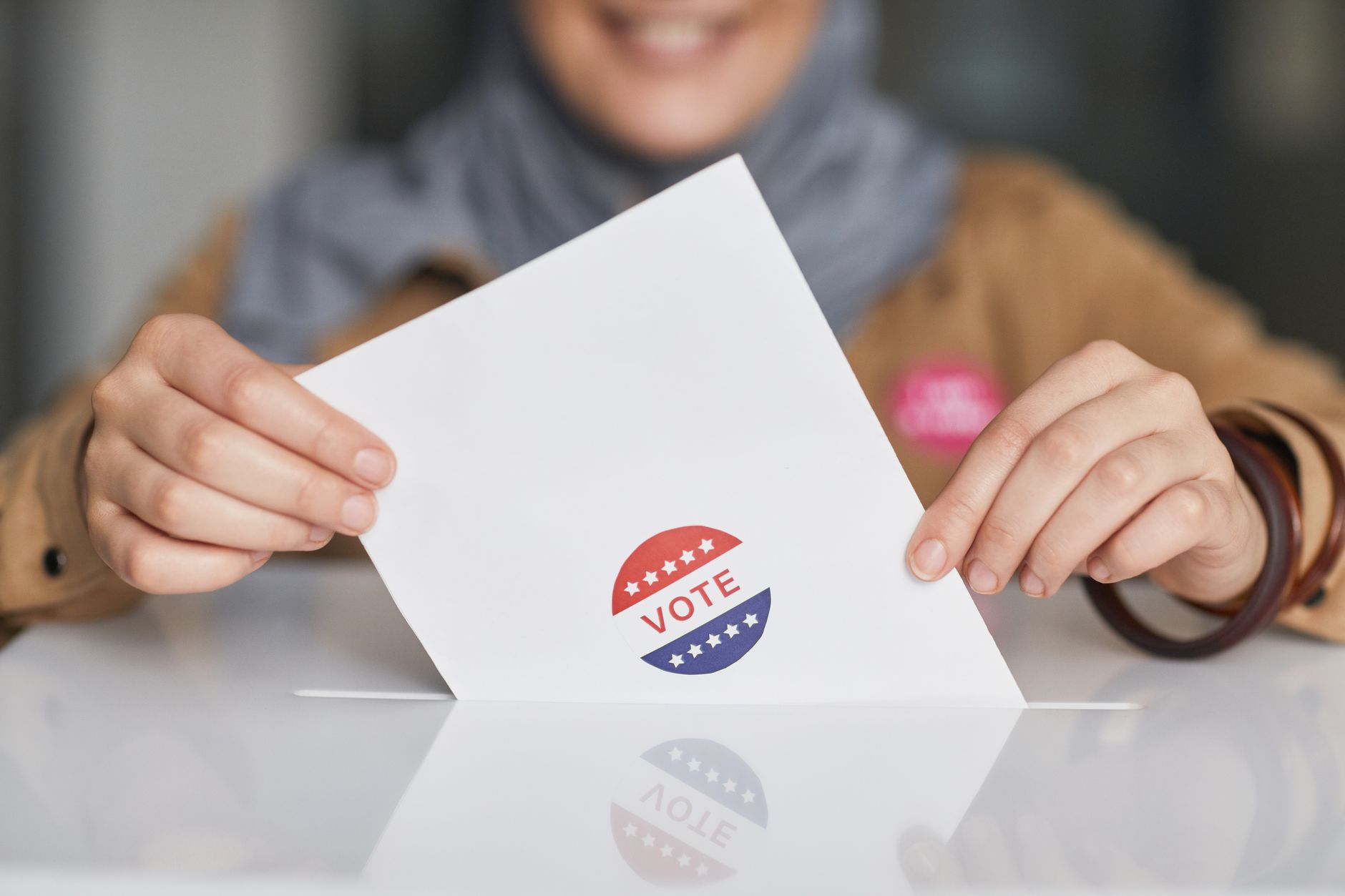
Election Betting Surge is dominating discussions as states challenge prediction markets ahead of the midterms. This trend reflects a growing interest in how betting can influence political predictions.
What is Election Betting?
Election betting refers to the practice of placing wagers on the outcomes of political events, particularly elections. This emerging trend allows bettors to engage with the democratic process in a unique way, leveraging their insights and analysis to predict outcomes. With the upcoming midterms, there has been a notable election betting surge, prompting interest from both casual bettors and serious investors.
Many view these betting markets as a reflection of public sentiment, often providing a more dynamic prediction tool than traditional polls. As more states grapple with the legality and regulations surrounding these markets, bettors are increasingly turning to platforms that offer odds on various political candidates and measures.
In a climate where political forecasting can be uncertain, election betting offers a contemporary way to gauge voter behavior and preferences.
How States are Challenging Prediction Markets
As the midterm elections approach, a notable trend is emerging: the election betting surge is prompting various states to reassess their stance on prediction markets. These markets, which allow individuals to wager on electoral outcomes, have been met with a mix of enthusiasm and skepticism from state lawmakers.
Some states are exploring regulations to ensure fairness and transparency, while others are outright banning these betting platforms. This has led to a patchwork of laws across the country, creating confusion among bettors and market operators alike.
Key points in this evolving landscape include:
- Regulatory Approaches: States are either embracing or rejecting election betting.
- Market Impact: Different laws affect how bettors engage with prediction markets.
- Public Sentiment: Citizens are divided on the ethics and legality of election betting.
The Impact of Betting on Political Outcomes
The rise of election betting has created a notable shift in how political outcomes are perceived and predicted. As more individuals participate in betting markets, the collective intelligence derived from these wagers can offer insights that traditional polling may miss. This surge in election betting not only reflects public sentiment but also influences campaign strategies and voter engagement.
Experts argue that as betting markets gain traction, they may serve as a valuable tool for understanding electoral dynamics. This can lead to:
- Increased transparency in predicting outcomes.
- Enhanced voter participation as individuals become more informed.
- Potential shifts in candidates’ approaches based on predicted outcomes.
Ultimately, the impact of election betting on political outcomes could reshape the landscape of future elections.
Trends in Election Betting for Midterms
As the midterm elections approach, a notable election betting surge has captured the attention of political analysts and enthusiasts alike. This emerging trend highlights how bettors are increasingly turning to prediction markets to gauge electoral outcomes.
Several factors contribute to this rise in election betting:
- Heightened Political Interest: Voter engagement is at an all-time high, prompting individuals to invest in betting markets.
- Accessibility: The proliferation of online platforms has made placing bets easier than ever.
- Data-Driven Insights: Bettors often rely on statistical models and expert analyses to inform their wagers.
These trends indicate that election betting is not merely a pastime but a serious tool for predicting midterm outcomes.
Legal Considerations for Election Betting
As the midterm elections approach, the election betting surge raises important legal considerations for both bettors and operators. In many states, the legality of betting on elections remains ambiguous, leading to a patchwork of regulations. Individuals looking to participate should be aware of the laws governing such activities in their jurisdictions.
Some states have enacted legislation explicitly banning election betting, while others have embraced it, seeing potential for tax revenue and economic benefits. Additionally, the lack of federal regulations means that operators must navigate state-by-state requirements.
Potential participants should also consider the ethical implications of betting on political outcomes. With the increasing normalization of wagering on elections, the legal landscape will likely continue to evolve, making it essential for bettors to stay informed.
Public Perception of Betting on Politics
The public perception of betting on politics, particularly in light of the election betting surge, has evolved significantly in recent years. Many view it as a modern extension of political engagement, allowing individuals to express their opinions about candidates and outcomes financially.
Supporters argue that betting markets provide valuable insights, often reflecting the sentiments of a broader electorate. Conversely, skeptics raise concerns about the ethics of gambling on civic matters, fearing it may influence voter behavior in unpredictable ways.
As states continue to grapple with regulation, the conversation surrounding election betting will likely intensify. This shift in perception may lead to increased participation, as more voters recognize the potential of betting platforms as tools for gauging public sentiment and forecasting election results.
Future of Election Betting in the U.S.
The future of election betting in the U.S. appears promising, driven by a surge in interest as the midterms approach. With states increasingly challenging traditional prediction markets, innovative platforms are emerging to meet the demand for political wagering. This election betting surge reflects a growing acceptance of betting as a legitimate way to engage with the electoral process.
As technology advances, the integration of real-time data and analytics is expected to enhance the betting experience, providing bettors with more accurate insights into candidate probabilities. Furthermore, as public perception shifts, more individuals may view betting not only as entertainment but also as a tool for political forecasting.
However, ongoing legal and ethical discussions will shape the landscape, influencing how election betting platforms operate and are regulated in the future.
The recent Election Betting Surge has caught the attention of political analysts and casual voters alike. As more people engage in this trend, the Election Betting Surge is proving to be a fascinating indicator of public sentiment leading up to the midterms.
Photo by Edmond Dantès on Pexels
References
Gambling licence fee rise: The Right Move for Belgium · Tilak Varma catch ratio: The Best Proven Fielding Record · NFL prediction markets: The Wrong Stance on Crucial Knowledge