Keith Bell
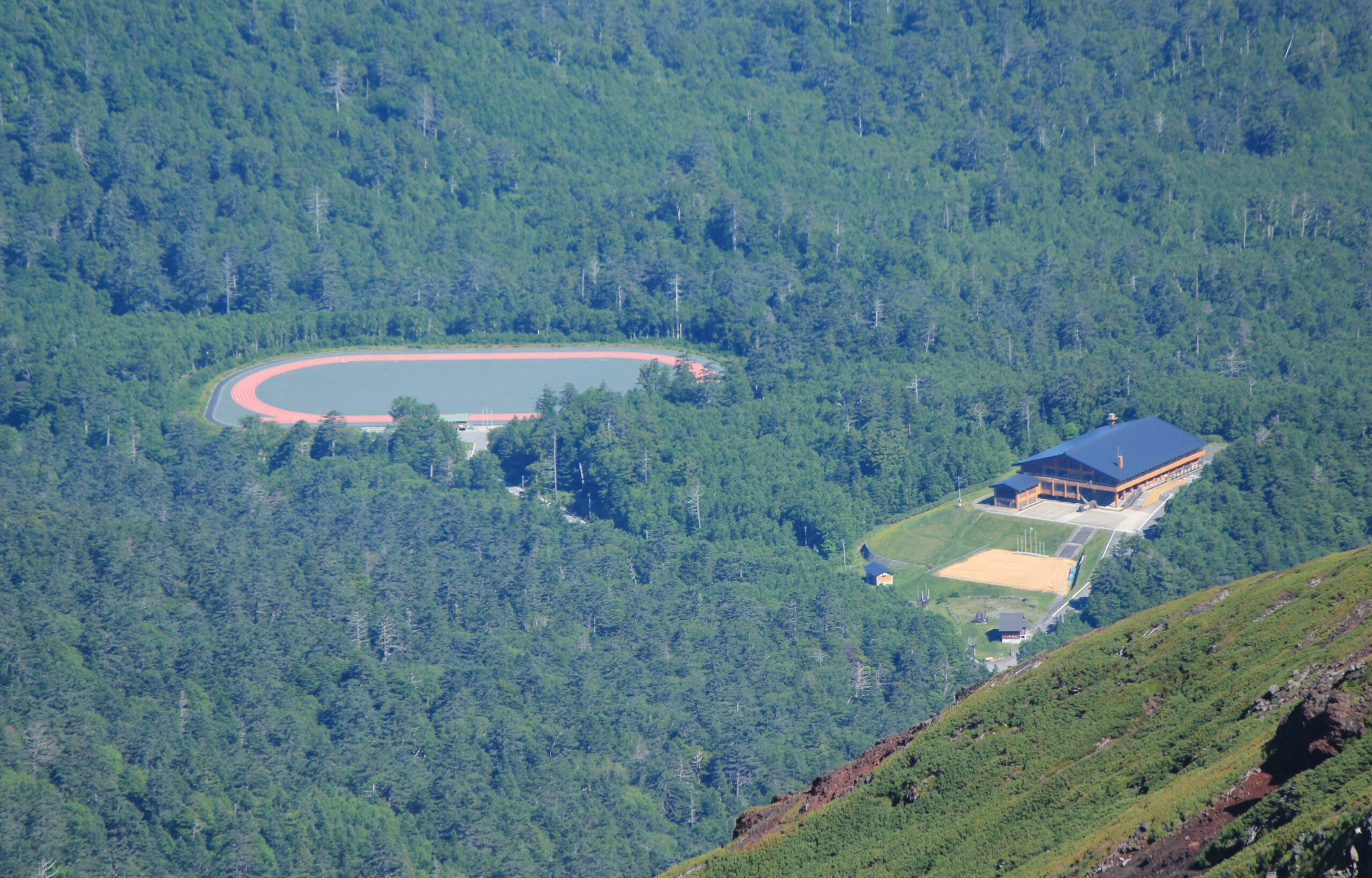
high-altitude training has been credited by Scott Simmons for India’s distance runners’ success at the Asian Games 2026. This innovative approach is yielding impressive results for the athletes.
The Impact of High-Altitude Training
High-altitude training has emerged as a key factor in enhancing the performance of India’s elite distance runners, particularly in light of their impressive achievements at the Asian Games 2026. Scott Simmons, renowned coach, emphasizes the importance of this training methodology in building endurance and resilience among athletes.
Coaching experts believe that training in elevated terrains allows runners to adapt to lower oxygen levels, which can significantly improve their aerobic capacity. This adaptation not only boosts stamina but also enhances overall performance during competitions.
Several benefits of high-altitude training include:
- Increased red blood cell production: This aids in better oxygen transport in the body.
- Improved lung capacity: Athletes experience enhanced respiratory efficiency.
- Greater mental toughness: Training under challenging conditions fosters resilience.
As India’s distance runners continue to thrive on the international stage, high-altitude training is likely to remain a cornerstone of their preparation, driving them towards even greater success in future competitions.
Scott Simmons’ Insights
Scott Simmons, the renowned coach for India’s elite distance runners, has emphasized the pivotal role of high-altitude training in enhancing the performance of athletes. According to Simmons, training at elevated altitudes allows runners to adapt to reduced oxygen levels, leading to improved endurance and stamina.
“Our athletes have shown remarkable progress, and I firmly believe that high-altitude training is a significant factor in this success,” he stated. “The body learns to utilize oxygen more efficiently, which is crucial during competitive events.”
Simmons also pointed out that the psychological benefits of training in challenging environments cannot be overlooked. He noted that athletes develop greater mental resilience, which translates into better performance under pressure during competitions.
As the Asian Games 2026 approaches, Simmons is optimistic about the potential for Indian runners to secure medals. He mentioned that the ongoing emphasis on high-altitude training has already yielded impressive results in recent competitions.
“We are just scratching the surface of what these athletes can achieve,” he concluded.
Success Stories from Indian Athletes
High-altitude training has emerged as a vital component in the preparation of India’s distance runners, leading to remarkable success stories that inspire future athletes. Notable Indian athletes have shared their positive experiences and the benefits gained from training in elevated environments.
- Avinash Sable, who clinched gold in the men’s 5000 meters, attributes his victory to rigorous training at 2,500 meters above sea level. He emphasizes how the thin air improved his endurance and speed.
- Parul Chaudhary, a medalist in the women’s 10,000 meters, echoes similar sentiments. She notes that high-altitude training not only enhanced her physical capabilities but also boosted her confidence during competitions.
- Jinson Johnson, known for his prowess in middle-distance events, credits his successful performances to consistent high-altitude camps, which he believes have given him a competitive edge over his rivals.
These athletes’ testimonials highlight the transformative effect of high-altitude training, reinforcing its role in shaping the future of Indian athletics.
Training Techniques for Distance Running
High-altitude training has become a pivotal component in the preparation of distance runners in India. This method not only enhances physical endurance but also optimizes the body’s ability to utilize oxygen efficiently. Many athletes are adopting various training techniques to maximize the benefits of high-altitude environments.
- Altitude Camps: Many runners are now traveling to specialized altitude camps where they can train at elevations above 2,500 meters. This approach helps in increasing red blood cell production.
- Interval Training: Incorporating high-intensity interval training at altitude can boost both speed and stamina, allowing athletes to push their limits.
- Long Runs: Sustaining longer runs in the thinner air helps build cardiovascular strength, making races at lower altitudes feel easier.
- Recovery Strategies: Athletes emphasize recovery techniques, such as yoga and hydration, to combat the physical stress of high-altitude training.
These techniques, when integrated into a comprehensive training plan, position Indian distance runners for success on the international stage.
Comparative Analysis with Other Countries
High-altitude training has emerged as a pivotal factor in the success of athletes globally, but India’s approach stands out when compared to other countries. Many nations, including Kenya and Ethiopia, have long embraced the benefits of training at elevated elevations. These countries produce some of the world’s best long-distance runners, attributing their performance to the physiological adaptations gained from high-altitude exposure.
In contrast, India’s recent focus on high-altitude training is a relatively new phenomenon. With consistent support from coaches like Scott Simmons, Indian athletes are beginning to harness similar advantages. The altitude in regions such as Ladakh and Uttarakhand provides a training ground that enhances endurance and oxygen utilization.
However, the journey is not without challenges. While countries like Kenya have established training camps, India is still developing its infrastructure. The commitment to high-altitude training will require sustained investment in facilities and coaching to ensure that Indian runners can compete on the world stage.
The comparative analysis highlights that while India is catching up, the potential for success remains vast.
Future of Indian Distance Running
The future of Indian distance running looks promising, largely due to the adoption of high-altitude training methods. As more athletes embrace these techniques, the potential for breaking national records and excelling on international platforms increases significantly.
Indian runners are now focusing on consistent training at elevated altitudes, which not only enhances their physical endurance but also fosters mental resilience. This shift is evident in the growing number of athletes who are setting personal bests and earning medals in prestigious competitions.
Furthermore, sports authorities and coaching staff are investing in better facilities and support systems for high-altitude training. This includes:
- Improved access to high-altitude training camps
- Increased collaboration with experienced coaches
- Innovative training methodologies tailored to individual athletes
As high-altitude training continues to gain traction, it is poised to redefine the landscape of distance running in India, positioning the country as a formidable competitor in future global athletics events.
Challenges Faced by Athletes
High-altitude training presents unique challenges that athletes must navigate to fully benefit from its advantages. While the increase in oxygen efficiency is a major draw, athletes often face difficulties in acclimatization. This process can lead to various physical and mental hurdles that can affect performance.
Some of the common challenges include:
- Breathing Difficulties: At higher altitudes, the reduced oxygen levels can cause shortness of breath, making it hard to maintain the intensity required for training.
- Altitude Sickness: Symptoms like headaches, nausea, and fatigue can hinder training sessions and recovery.
- Psychological Effects: The mental strain of adapting to a new environment can impact motivation and focus.
Furthermore, Indian athletes must also deal with logistical issues such as travel and accommodation at altitude, which can add additional stress. Despite these challenges, the proven success of high-altitude training continues to drive athletes to overcome obstacles and reach their peak performance.
By Alpsdake via Openverse